
)%20(1).png)
Custom Builders Near Me: What to Expect in the Home Building Process on Martha's Vineyard and Cape Cod
Most people searching for "custom builders near me" are doing so with a specific kind of urgency: they have a vision, a plot of land, perhaps a timeline, and they need to know how to close the gap between imagination and reality. That search query, simple as it looks, carries a considerable financial decision inside it. And in markets like Martha's Vineyard and Cape Cod, where land is finite, demand is persistent, and the quality gap between builders is wide, that decision carries even more weight than it does elsewhere.
This article is designed to give you a clear, honest map of the custom home building process, starting from the very first conversation with a builder through final walkthrough. It is also an honest look at what separates experienced home builders from everyone else in a coastal market where the stakes are genuinely high.
Understanding Custom Home Building
What Is Custom Home Building?
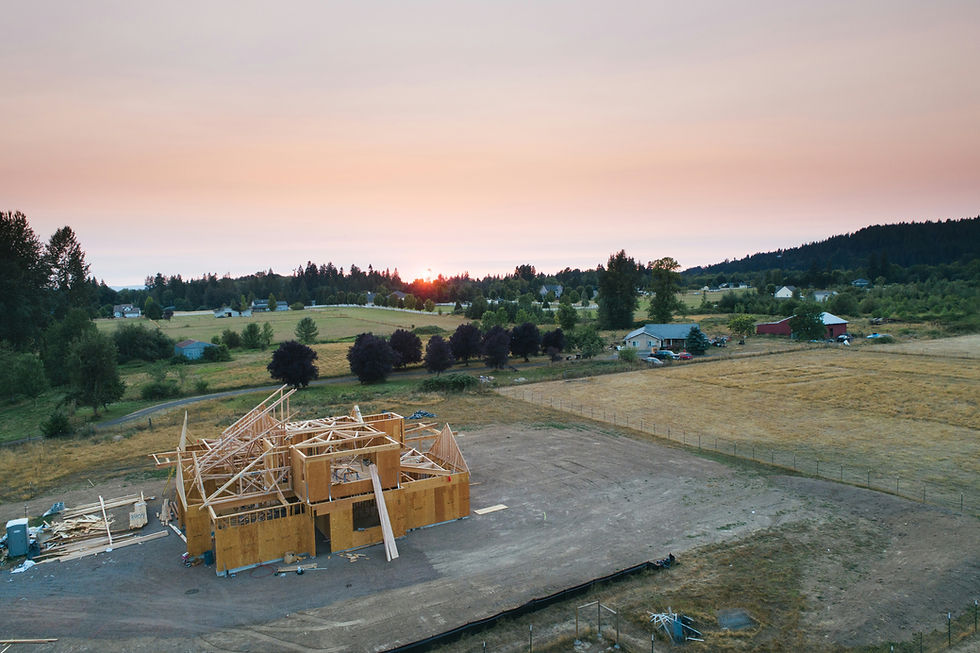
Custom home building is the process of designing and constructing a home from the ground up, built to the specifications of a specific client on a specific lot. Unlike production or spec homes, which follow pre-designed floor plans and are built speculatively before a buyer is identified, a custom home begins with you. Your site, your program, your priorities.
The distinction matters more than it might initially seem. A custom home built on Martha's Vineyard or on Cape Cod is a fundamentally different undertaking from a tract home built outside of Phoenix. The site constraints are different, the materials need to perform differently, the permitting environment is more layered, and the value you are protecting is considerably higher. If you are going to search for custom builders near me in this region, you need to begin with the understanding that customization here is not just about aesthetics. It is about building a structure that is calibrated to a demanding coastal environment and a discerning real estate market.
Benefits of Choosing Custom Builders
The benefits of working with a custom home specialist rather than purchasing an existing or speculative home are both practical and strategic.
You control the structural decisions that affect long-term maintenance costs and durability.
You select materials appropriate to coastal exposure, not just to budget.
You design for how the property will actually be used, whether as a primary residence, a second home, or a rental asset.
You avoid inheriting another owner's compromises.
You create a property with a coherent identity, which matters in a rental market where guests are comparing properties constantly.
For investors and second-home buyers on Martha's Vineyard and on Cape Cod, that last point carries particular financial significance. A custom home designed with the rental market in mind, with the right layout, the right outdoor spaces, the right finishes, can outperform a comparable purchased property in both occupancy and nightly rate. Our work on homes designed to rent better explores this in greater depth.
Key Terminology in Custom Home Construction
Before engaging with any builder, it helps to understand the language of the process.
Design-build: A model in which the same firm manages both design and construction, reducing coordination risk and improving cost accuracy.
General contractor: The entity responsible for managing all subcontractors, schedules, and site coordination throughout the build.
Spec builder: A builder who constructs homes without a committed buyer, betting on the market to sell the finished product. This is not custom building.
Construction-to-permanent loan: A financing structure that converts from a short-term construction loan to a long-term mortgage upon completion.
Certificate of occupancy: The document issued by local authorities upon completion of inspections, certifying that the structure is safe and legal to inhabit.
How to Find the Right Custom Builders Near Me
Researching Builders Around Me
The most important filtering criterion when researching builders around you on Martha's Vineyard or on Cape Cod is direct coastal experience. A builder who has worked extensively in inland markets will face a learning curve on these islands that you should not be paying for. Coastal construction involves specific knowledge of moisture management, wind loading, salt air exposure, and materials that perform in a marine environment over decades.
Beyond the coastal filter, look for a portfolio that reflects genuine range and quality, not just volume. A firm that has completed twelve homes in your target area and can show you every one of them in detail is more useful than a firm that has built hundreds of homes regionally and can only speak to a handful. Browse through our portfolio of houses on Martha's Vineyard and Cape Cod to understand the kind of range we are talking about.
Using Online Tools for Finding Top Builders
Online searches are useful for generating a list of names, but they are not adequate for evaluating builders in a specialized coastal market. A firm's website, portfolio, and published work tell you considerably more than directory rankings or advertising presence. When evaluating any builder online, look for evidence of actual completed projects in your target area, client testimonials that speak to the process as well as the product, and any published content that demonstrates genuine market knowledge.
Social proof and review platforms have their place, but in a high-stakes market like Martha's Vineyard and Cape Cod, a direct conversation with a previous client is worth more than any aggregate rating. Ask your builder for references who built in conditions similar to yours, whether that means a waterfront lot, a tight permitting situation, or a build that had to function as both a vacation rental and a family home.
Asking for Recommendations
The most reliable referrals in a market like this come from real estate attorneys, architects, and property managers who have watched multiple builds unfold over the years. These professionals see the long-term consequences of builder decisions, not just the finished photography. A property manager who oversees vacation rentals on Martha's Vineyard will tell you quickly which homes hold up season after season and which ones generate repeated maintenance calls. That is the kind of institutional knowledge that no online search can replicate.

The Importance of Experienced Home Builders
What Makes an Experienced Home Builder?
Experience in custom home building is not measured in years alone. It is measured in the diversity and difficulty of the problems a builder has solved. An experienced home builder on Cape Cod or on Martha's Vineyard has navigated permitting processes that surprised even seasoned architects, managed subcontractors through seasonal labor shortages, sourced materials that perform in a salt-air environment, and delivered projects to clients who were sometimes managing the process from several states away.
Experience also means knowing when to flag a concern before it becomes a cost overrun. The most expensive mistakes in construction are the ones that are not caught until the structure is already up. A builder with genuine depth has the pattern recognition to see those risks coming, and the professional relationships to address them efficiently.
On a practical level, construction costs across the country have reached record levels. According to the National Association of Home Builders' most recent Cost of Construction Survey, construction costs accounted for 64.4% of the average new home price in 2024, the highest proportion since the survey began in 1998. In a market as land-constrained and demand-intensive as Martha's Vineyard and Cape Cod, those national cost pressures are amplified by regional labor dynamics and material logistics. An experienced local builder has spent years building relationships with suppliers and trade partners that allow for more reliable pricing and scheduling, which translates directly to budget performance for the client.
Assessing Qualifications and Credentials
Licensing requirements vary by state, but in Massachusetts, general contractors are required to hold a Construction Supervisor License issued by the Division of Professional Licensure. Beyond the baseline license, look for builders who maintain active membership in industry organizations that require ongoing education and adherence to professional standards.
Insurance is not optional. Your builder should carry general liability insurance and workers' compensation coverage, and you should request certificates of insurance before signing any contract. In a coastal market where weather events can create unexpected liability scenarios, the coverage question matters more than it might elsewhere. Our post on how blizzard conditions can impact structural integrity on Martha's Vineyard and Cape Cod illustrates exactly why coastal-specific expertise and proper coverage are non-negotiable.
Reviews and Testimonials
When reviewing testimonials, distinguish between clients who speak to the finished product and those who speak to the process. Anyone can produce a beautiful photograph of a completed home. The more informative testimonials are the ones that describe how a builder communicated through delays, how problems were addressed when they emerged, and whether the final outcome matched the original budget and timeline within a reasonable margin.
In a market where second-home and investment clients are often managing builds remotely, communication quality is not a soft preference. It is a core operational requirement. A builder who does not proactively communicate is one who will cost you time and money even when the physical construction is technically sound.

The Home Building Process Explained
Initial Consultation and Design Planning
The initial consultation with a custom builder should feel more like a strategic conversation than a sales pitch. A serious builder will want to understand your timeline, your budget range, how the property will be used, and what your priorities are when those three factors come into tension, which they always do.
On Martha's Vineyard and on Cape Cod, the design phase carries additional complexity. Site orientation matters for both energy performance and rental appeal. Outdoor living spaces are not amenities, they are revenue drivers for properties in the vacation rental market. The relationship between interior volume and exterior views can determine whether a property photographs as a premium listing or a mid-market one. These are conversations that happen in the design phase, not after construction begins.
At Millers Pro Builders, the initial consultation is where we begin mapping the gap between what a client envisions and what the site, the budget, and the permitting environment will realistically support. That honesty at the outset is what protects the relationship and the project throughout the build. You can see examples of how this approach shapes our finished work in our portfolio of completed houses, which reflects the range of programs we have successfully navigated across both islands.
Securing Permits and Approvals
Permitting on Martha's Vineyard and on Cape Cod is among the more complex regulatory environments in New England. Beyond the standard building permit process, coastal construction projects often require review by the Conservation Commission, compliance with wetlands protection regulations, and in some cases, review by the Martha's Vineyard Commission or equivalent bodies on Cape Cod. Properties in designated flood zones involve an additional layer of FEMA compliance.
The permitting phase is where inexperienced builders lose the most time, and where that lost time translates directly into increased financing costs and delayed project starts. An experienced local builder has established relationships with municipal permitting offices and understands the procedural requirements well enough to prepare complete applications on the first submission. Our detailed guide to understanding the permitting process before building is a useful starting point for clients who want to understand what to expect before engaging a builder.
One important point: any builder who minimizes the permitting timeline or promises an unrealistic approval schedule should be viewed with skepticism. Coastal markets in Massachusetts have regulatory structures that exist for good reasons, and they do not compress on the basis of a client's preferred move-in date.
Construction Phase and Timelines
Once permits are secured, the construction phase on a custom home typically runs between twelve and eighteen months on Martha's Vineyard and on Cape Cod, depending on project complexity, seasonal weather patterns, and material lead times. The island logistics of Martha's Vineyard add a layer of coordination that mainland projects do not face: materials arrive by ferry, labor pools are smaller, and the summer season creates demand pressure on trade schedules.
A well-managed construction phase involves regular client communication, documented progress milestones, and proactive material procurement. Supply chain disruptions that have affected residential construction nationally since 2021 have made advance ordering and supplier relationships more important than ever. Builders without those relationships pass the consequences of poor procurement planning directly to their clients in the form of delays and substitutions.
For investors building second homes or rental properties, timeline management is a financial issue, not just a logistical one. Every month of delay represents a missed rental season on Martha's Vineyard or on Cape Cod, where peak season rates can justify the full cost of a well-managed construction loan. We have written about this dynamic in our analysis of second home investment and construction strategy.

Frequently Asked Questions
How Much Does It Cost to Build a Custom Home on Martha's Vineyard or Cape Cod?
This is the question every client asks first, and the honest answer is that it depends on too many variables to quote a single number responsibly. What we can say is that construction costs in New England's coastal markets are among the highest in the country. NAHB data for 2024 shows that New England custom homes had median per-square-foot prices well above the national average, with half of custom homes in the region priced above $190 per square foot before land costs. On Martha's Vineyard and on Cape Cod, where labor availability is tighter and logistics are more complex, those numbers are higher still.
The more useful question is not what the average costs, but what your specific program requires, and whether the builder you are considering has the transparency and the precision to give you a reliable estimate from the outset. Construction cost management is a discipline, and it is one of the areas where the gap between experienced and inexperienced builders is most financially consequential.
Our post on why construction quality matters more than trends puts this in the broader context of long-term asset performance: the cheapest construction rarely produces the most valuable property.
What to Expect in Terms of Timeline?
A realistic timeline for a custom home on Martha's Vineyard or on Cape Cod, from initial consultation through certificate of occupancy, is typically eighteen to twenty-four months. That window includes several months for design and engineering, a permitting process that can take four to eight months depending on the project and the municipality, and a construction phase that runs twelve to eighteen months.
Clients who are working against a specific occupancy target, for example, wanting to be in the home for a particular summer rental season, need to discuss that target in the first consultation. Working backward from a hard deadline affects the sequencing of every decision in the process, and a builder who does not ask about your timeline in the first conversation is one who is not planning the project with your interests at the center.
How Can Custom Pool and Guest House Construction Enhance Your Property?
In the vacation rental market on Martha's Vineyard and on Cape Cod, pool access is one of the single most significant drivers of rental premium. Properties with pools command materially higher nightly rates and longer booking windows, particularly outside of peak summer weeks when guests are more selective about amenity value.
A pool built as part of the original construction program, rather than added after the fact, integrates more cleanly with the site, avoids the permitting complexity of adding major site improvements post-occupancy, and allows for cohesive landscape design that enhances the property's visual presentation. You can review examples of completed pool house construction in our pool house portfolio, which reflects the range of programs we have executed across both markets.
Guest houses represent a parallel opportunity. A well-designed guest house can serve a rental function independently of the main residence, extending the property's income potential across seasons and providing flexibility for multi-generational family use. Our guest house portfolio shows how these structures can be designed to be both functionally independent and architecturally coherent with the primary home.
For investors thinking about construction as a vehicle for income generation, we have explored this more fully in our analysis of coastal home construction strategy and in our work on why luxury homes hold value in coastal markets.
Final Walkthrough and Homeowner Responsibilities
The final walkthrough is the transition point between the builder's responsibility and the homeowner's. Before conducting a walkthrough, a reputable builder will have completed all punch list items, ensured that all systems have been tested and commissioned, obtained the certificate of occupancy, and organized all warranty documentation, operation manuals, and maintenance records for handover.
During the walkthrough, you are verifying that the completed home matches the contracted specifications and that all systems function as intended. This is not the time to discover that a window was installed in the wrong location or that the mechanical room lacks adequate clearance for maintenance access. Those issues should have been caught and resolved during the construction phase through regular client communication and documented progress reviews.
After the walkthrough, homeowner responsibilities on Martha's Vineyard and on Cape Cod include a maintenance discipline that reflects the coastal environment. Salt air, wind exposure, and seasonal humidity cycles are harder on building materials than inland climates, and a new home in this market requires consistent attention to exterior surfaces, mechanical systems, and drainage to protect both its structural integrity and its long-term market value. The investment in quality construction upfront, and in regular maintenance afterward, is what separates properties that appreciate steadily from those that erode.
Building with Purpose on Martha's Vineyard and Cape Cod
A search for custom builders near you in this market is ultimately a search for a partner in a significant financial decision. The right builder is not simply the one who can deliver a finished structure within budget. It is the one who understands what you are building toward: a property that performs as a rental asset, a second home that holds its value through market cycles, a legacy structure that will still be standing and relevant in thirty years.
That kind of partnership begins with a conversation, not a sales presentation. It begins with an honest assessment of your site, your program, and your objectives, followed by a disciplined process that respects your budget and your timeline while never compromising on the structural and material decisions that determine long-term performance.
Millers Pro Builders operates exclusively on Martha's Vineyard and on Cape Cod. Every project we take on is in the market we know deeply, which means every client benefits from the relationships, the regulatory knowledge, and the construction experience we have built over years of working specifically in these islands. If you are considering a custom build in either market, we invite you to begin with a consultation. You can learn more about our approach on our about page, or reach out directly to begin the conversation.


Comments